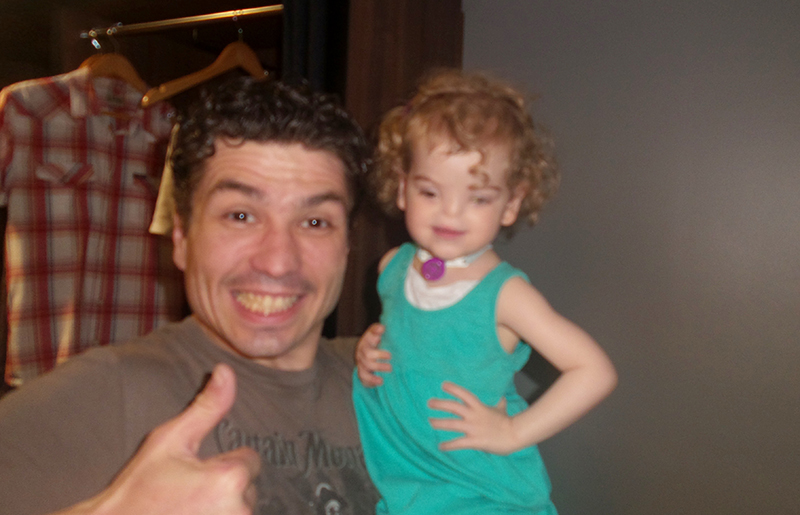
Tessa Evans was born in Northern Ireland in 2013 with complete congenital arhinia, associated with Bosma arhinia microphthalmia syndrome. She had no external nose or normal nasal passages and received a tracheostomy at eight days old to secure her airway.
A Nose Designed to Grow With Her
In May 2015, two-year-old Tessa received a custom PEEK implant beneath her skin. Using digital modeling and 3D technology, doctors created an implant that gave her a nasal profile and helped support her glasses, according to a published medical case report.
The plan was to replace it with larger implants as her face grew, gradually preparing the skin for a more definitive reconstruction later in life.
Complications Changed the Plan
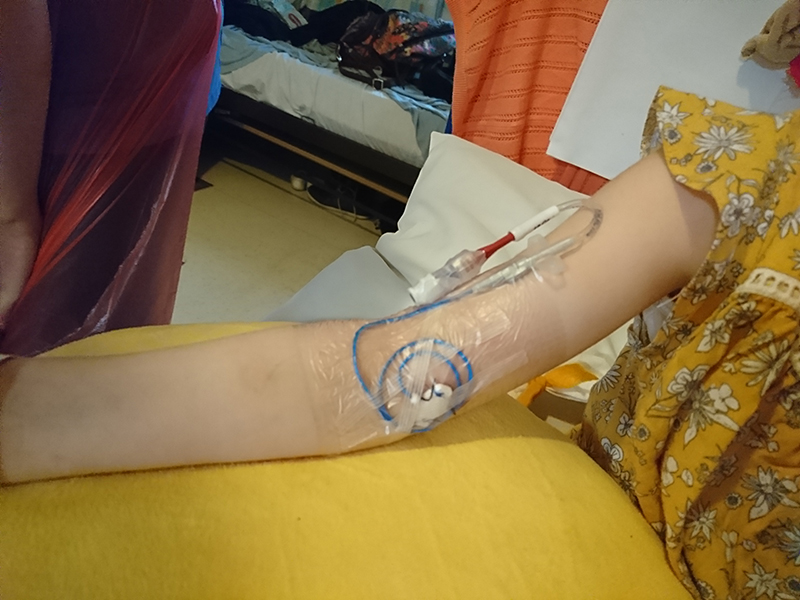
A larger implant was inserted in 2017, but the surgical wound opened and exposed it. Tessa required emergency treatment and several weeks of intravenous and oral antibiotics.
Recurring inflammation and skin breakdown eventually forced doctors to remove the implant in March 2019. In her detailed account on Tessa: Born Extraordinary, her mother described repeated procedures to control infection and repair the damaged area.
When Tessa Claimed a Voice in Her Treatment
When doctors offered the choice of waiting or undergoing another operation, Tessa told her mother that it was “MY DECISION.” The moment showed how the child was beginning to take part in choices that had previously been made entirely for her.
Her mother’s account is not a simple medical success story. It documents hope and innovation, but also pain, uncertainty and the risks of attempting a treatment with few precedents.
A Nasal Shape Is Not a Functional Nose
The implants created an external nasal shape; they did not provide Tessa with normal nasal breathing or restore her sense of smell. Her family explained in a Born Different interview that the neurological structures required to process smells did not develop.
In October 2025, Tessa’s family shared that she was preparing for another nasal implant procedure, followed by a difficult early recovery. Her journey therefore remains an evolving process of staged reconstruction—not a completed transformation.