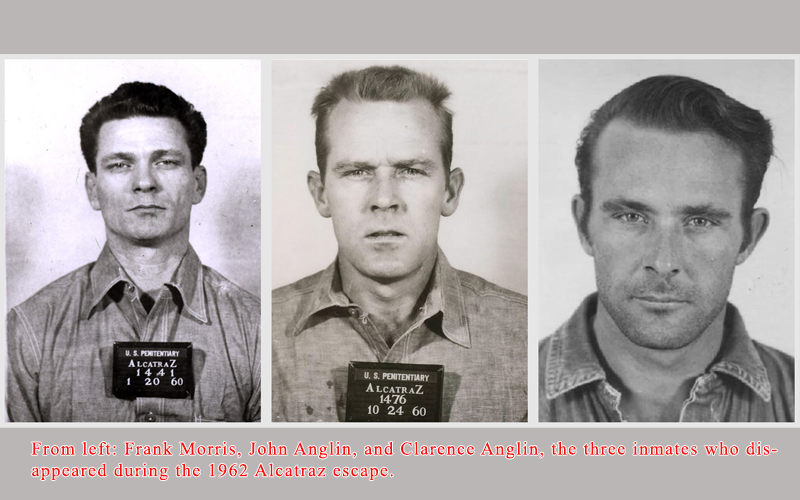
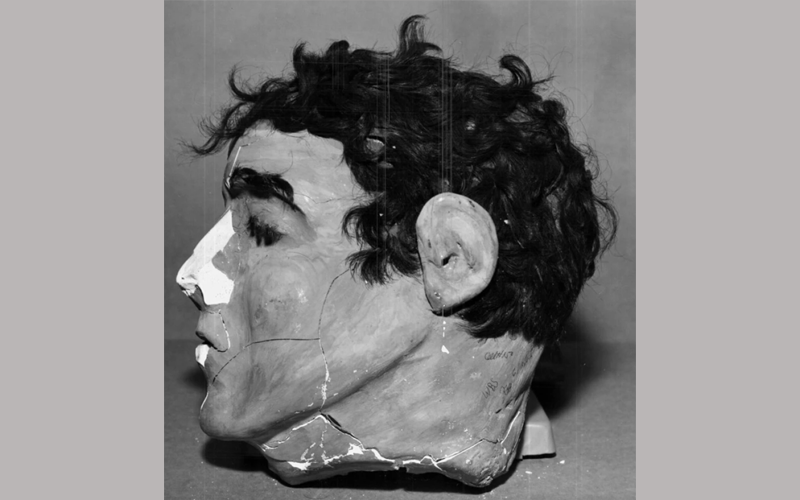
When guards conducted their morning count at Alcatraz on June 12, 1962, three prisoners appeared to be sleeping in their beds. A closer look revealed painted dummy heads—and Frank Morris, John Anglin, and Clarence Anglin were nowhere to be found.
A Plan Hidden Behind the Cell Walls
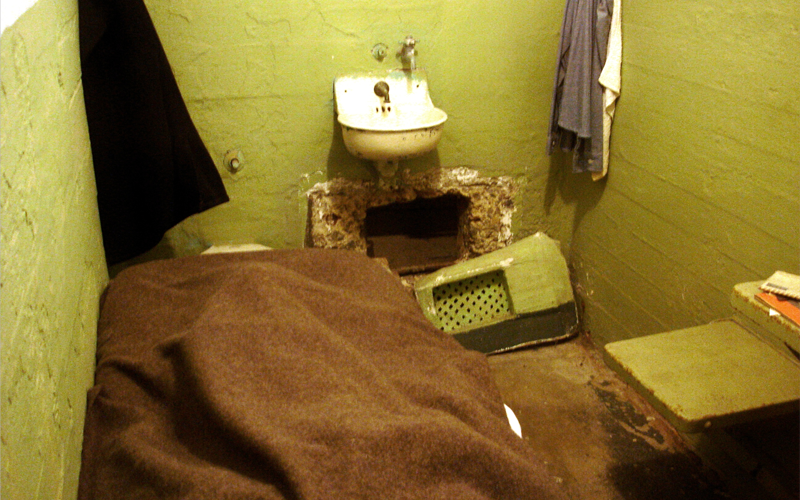
Morris and the Anglin brothers occupied neighboring cells and planned the escape with another inmate, Allen West. According to the FBI’s Alcatraz escape file, they spent months widening ventilation openings with old saw blades and a homemade drill fashioned from a vacuum-cleaner motor.
The openings led into an unguarded utility corridor behind the cells. Above the cellblock, the prisoners created a concealed workshop where they built the equipment needed to leave the island.
The Faces Left in Their Beds
To hide their preparations and delay discovery, the men created remarkably convincing dummy heads from plaster, flesh-colored paint, and real human hair. They placed the heads beneath blankets so guards making nighttime rounds would believe they were asleep.
Meanwhile, more than 50 stolen or collected raincoats were reportedly turned into life preservers and a six-by-14-foot raft. The seams were stitched together and sealed with heat from the prison’s steam pipes.
The Night They Disappeared
On the night of June 11, Morris and the Anglin brothers slipped through the openings behind their cells. West could not remove his ventilation cover in time and was left behind.
The three men climbed through the utility area, reached the prison roof, descended a smokestack, crossed the perimeter fence, and made their way to Alcatraz’s northeast shore. Investigators concluded that they launched their homemade raft into San Francisco Bay—but what happened afterward has never been established.
Evidence That Ended at the Water
Searchers recovered a rubber-wrapped packet connected to the men, pieces of wood resembling paddles, scraps of inner tube, and a homemade life vest. No confirmed bodies were found, and authorities uncovered no definitive evidence proving that the escapees reached the mainland.
The FBI’s investigation found no credible sign that the men were living in the United States or overseas. Investigators also found no related theft of clothing or a vehicle, despite reports that the escape plan included obtaining both after reaching land.
Were They Swept Away—or Did They Survive?
The FBI concluded that the cold water and powerful currents probably defeated the escapees, but that conclusion was never supported by recovered bodies. Later theories, reported sightings, family stories, and alleged communications have fueled speculation, yet none has conclusively established what happened.
The FBI closed its investigation on December 31, 1979, and transferred responsibility to the U.S. Marshals Service. Current U.S. Marshals Service records still list Morris as wanted for escape, with separate active profiles for John Anglin and Clarence Anglin.
The Escape Became a Hollywood Legend
The mystery inspired the 1979 Clint Eastwood movie Escape from Alcatraz, helping preserve the case in popular culture. The film dramatized the escape, but the real case remains unresolved: there is still no conclusive proof that the three men survived the Bay—or died in it.